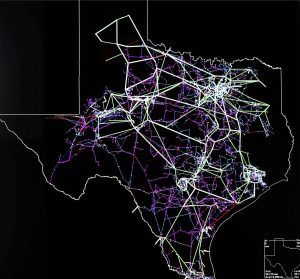
The SPP GIAG meeting held on March 26, 2025, was a pivotal session aimed at addressing key issues in Generation Interconnection (GI) processes, grid planning, and standards adoption. The agenda covered a wide range of topics, with presentations and discussions focusing on GI status, roadmap developments, and critical industry standards. Below is a detailed overview of the meeting.
Key Points and Discussions
GI Status Update: A comprehensive GI Status Update and key milestones for the next quarter were shared, including expected improvements in processing times and updates to related processes. The discussion included challenges such as delayed processing times, interconnection issues, and strategies for improving efficiency.
GI Roadmap: There was a detailed discussion on the Joint Transmission Integration Queue (JTIQ), focusing on how this mechanism will help coordinate interconnection requests across multiple transmission organizations, ultimately enhancing system reliability. Next, the Consolidated Planning Process (CPP) was reviewed, with an emphasis on its integration with the Generation Interconnection (GI) process. The discussion highlighted how the CPP aligns planning efforts with grid needs, aiming to optimize both timelines and resource allocation.
RR668: The team also provided an update on RR668, a key initiative designed to streamline GI processes and improve interconnection timelines, making the process more efficient. Finally, there was an in-depth conversation about the Regional Transmission Organization (RTO) Expansion, which explored the implications of expanding RTO boundaries to accommodate the growing interconnection needs and facilitate the integration of renewable resources into the grid.
IEEE 2800 Adoption – Phase II: IEEE 2800 Adoption – Phase II was addressed, specifically focusing on clauses 5 and 6. This update is critical as IEEE 2800 standards are being adopted to address technical aspects of generation interconnection. Key points included:
- Phase II Clauses: A breakdown of clauses 5 and 6, which address the technical specifications for system design and interconnection processes that support the transition to a more resilient and sustainable energy grid.
- Adoption of New Standards: The ongoing adoption of IEEE 2800 standards, which play a crucial role in the development of grid technologies, including renewable energy integration.
2026 Integrated Transmission Plan (ITP) & CPP Transition Assessment – Siting Plan, focusing on:
- Siting Challenges: A detailed overview of the siting process for new transmission and generation resources in the context of the 2026 ITP.
- Transition Assessment: Discussion on the transition from current grid planning to the upcoming ITP assessments, which will involve evaluating new siting plans to ensure adequate infrastructure is in place for future energy needs.
The meeting offered in-depth discussions on crucial topics, from the current status of the GI process to detailed planning for future grid needs and industry standard adoption. Key takeaways included the ongoing efforts to streamline the GI process through initiatives like the RR668 update, the expansion of RTO boundaries, and the adoption of IEEE 2800 standards. The meeting also focused on the 2026 ITP and CPP Transition Assessment, providing a roadmap for siting new transmission projects essential for grid modernization.
This meeting underscored the importance of continued collaboration and planning within the GIAG to address the evolving needs of the energy sector, particularly in the integration of renewable energy and the development of more resilient grid infrastructure.
Gain insights in the evolving power grid interconnection landscape. Dive into this month’s comprehensive stakeholder meeting summaries and blog insights to stay informed and ahead of the curve. For more information on ZEG and our services, schedule a free demo today!