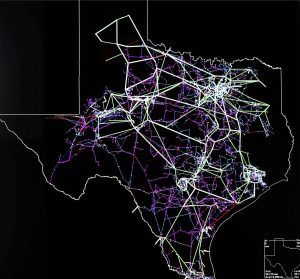
ERCOT continues to evolve its transmission planning and interconnection frameworks to support the integration of large renewable energy projects and flexible loads. Recent stakeholder discussions centered on formalizing the process to permanently bypass series capacitors and refining SSR (Subsynchronous Resonance) mitigation timelines to protect grid reliability while optimizing economic outcomes.
Clarifying Flexible Load and Load Connection Discussions
Early in the session, stakeholders emphasized the importance of using visual aids—such as pictures, flowcharts, and diagrams—to improve understanding of complex proposals. This approach aims to help participants better grasp nuances, especially for those less familiar with technical details. Questions arose regarding the applicability of flexible load proposals across different voltage connection levels, particularly whether loads connecting directly at 345-kV could be curtailed under contingencies. ERCOT representatives clarified that proposals generally target large loads stepping down from 345-kV and that contingency-based curtailments must consider reliability and existing standards.
On the contractual front, it was established that participation in flexible load programs is not voluntary. Load participants must enter binding contracts requiring them to maintain grid reliability, potentially including registration with NERC if these arrangements qualify as Remedial Action Schemes (RAS). Failure to comply could lead to fines or disconnection, emphasizing the obligatory nature of compliance akin to generation resource obligations under NPRR1238.
Series Capacitor Permanent Bypass Process (NPRR1280)
The NPRR1280 initiative proposes a structured review process for TSPs seeking to bypass series capacitors permanently-critical devices installed to provide voltage support and reduce congestion on ERCOT’s 345-kV network. Key points from stakeholder discussions include:
- Project Tiering and Review: Current protocol assigns these bypass projects to Tier 3, implying a less intensive review. However, stakeholders, including Lone Star Transmission and others, argued that if bypassing a capacitor is part of a broader transmission project with greater impacts on system transfer capability or stability, it should be eligible for higher-tier (Tier 1 or 2) review.
- Full Stability and Congestion Analyses Required: It was strongly emphasized that decisions to bypass capacitors must be underpinned by comprehensive stability and congestion studies, with results fully transparent to stakeholders. These devices are paid for by consumers through Transmission Cost of Service (TCOS), who will continue to bear costs regardless of whether the devices remain in service or are bypassed.
- Independent ERCOT Review and Economic Considerations: Stakeholders noted that while TSPs perform reliability and stability analyses, ERCOT must conduct independent congestion and economic impact reviews. Since bypassing series capacitors alters system impedance, it can significantly affect congestion patterns and consumer costs, making independent economic analysis essential before approval.
- Project Classification – Economic vs. Reliability: Currently, no formal reliability criteria exist to submit bypass projects as reliability-driven. Thus, these projects default to economic classification. Some participants urged ERCOT to develop clear reliability-based criteria, especially since reliability risks (e.g., from SSO events linked to capacitors) exist. The tension between economic and reliability motivations reflects broader policy challenges in transmission planning.
- Transparency and Coordination with Interconnection Customers: Because bypass decisions can affect System Security Operations (SSO) studies and project schedules, transparency about which capacitors are bypassed and the timing of bypass approvals is necessary to avoid disrupting interconnection processes.
- Stakeholder Escalation Process: The existing protocols allow stakeholders to escalate Tier 3 projects to higher tiers for additional scrutiny if concerns arise, providing a mechanism to ensure adequate review.
- Lone Star’s Position and Comments: Lone Star Transmission highlighted that the tier restriction may limit needed transmission projects and intends to submit formal comments. They raised valid concerns about the current absence of planning criteria for reliability-based bypass projects and the growing need to retire problematic series capacitors due to ongoing SSO risks.
SSR Mitigation Timeline Adjustment (NPRR1283)
The NPRR1283 proposal addresses the timing for SSR studies and mitigation prior to transformer energization to prevent damaging SSR events caused by interactions between transformers and series capacitors.
- Rationale for Timeline Change: Current protocols require SSR studies and mitigation only before synchronization, which may be too late to prevent SSR damage. The NPRR proposes shifting this requirement to before initial energization, enabling earlier risk mitigation.
- Stakeholder Feedback on Timeline: While the need for change is broadly supported, stakeholders expressed concerns about potential impacts on generator development schedules and Commercial Operation Dates (CODs). Some requested additional time to review the language and coordinate internally.
- Moving Forward to ROS Vote: The Planning Working Group (PLWG) agreed to forward NPRR1283 to the Regional Oversight Subcommittee (ROS) for a vote, with the opportunity for further comments to be considered.
Implications for Grid Renewable Energy Consulting
The discussions underscore critical areas where expert consulting can support ERCOT stakeholders and market participants during the renewable transition:
- Technical and Economic Studies: Facilitating and interpreting comprehensive stability, congestion, and economic analyses to inform asset retirement or bypass decisions.
- Regulatory Navigation: Assisting TSPs and developers with project tier classification, protocol compliance, and engagement in stakeholder processes.
- Stakeholder Engagement & Transparency: Designing clear communication tools, including diagrams and process flowcharts, to aid understanding across technical and non-technical audiences.
- Strategic Planning: Balancing reliability imperatives with economic considerations for transmission system upgrades and asset management, including policy advisory on emerging protocol changes.
ERCOT’s proactive engagement with series capacitor bypass procedures and SSR mitigation timelines highlights the complexity of managing legacy equipment while maintaining grid reliability amid rapid renewable integration. Addressing these technical, economic, and procedural challenges through transparent, data-driven processes is vital for sustaining a resilient and cost-effective grid — presenting rich opportunities for specialized consulting within the grid renewable energy sector.
Work with ZEG to Navigate ERCOT with Confidence
At ZEG, we help developers and investors interpret shifting ERCOT frameworks, plan with confidence, and secure cost-effective interconnection outcomes. We offer tailored support for interconnection studies, model validation, and grid impact assessments, ensuring your project is technically sound, compliant, and grid-ready. Contact us to secure your project’s success.
View Meeting Materials here.