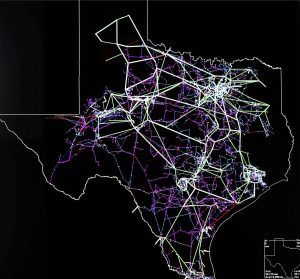
The ERCOT NOGRR245 workshop I kicked off with a deep dive into the updated interconnection requirements and process improvements for frequency and voltage ride-through capabilities. The session aimed to clarify the new rules, outline submission procedures, and address stakeholder questions as the industry navigates complex compliance challenges.
ERCOT NOGRR245 Workshop I Key Points and Objectives:
Workshop Initiation & Department Restructuring: Bill Blevins welcomed participants and outlined the formation of a dedicated team for NOGRR245, including plans to hire new management and staff. This restructuring is intended to streamline support and communication with stakeholders throughout the process.
Clarification of Deadlines & Rules: Participants were reminded that the April 1, 2025, deadline for submitting extension or exemption requests is fixed per current operating guides. The rules, as approved by stakeholders, require all active and queued resources to maximize their ride-through capabilities by specified dates (frequency by synchronization or December 31, 2025, and voltage by COD or December 31, 2025).
Data Submission Process via DocuSign & RIOO: The workshop detailed the dual-path data submission process:
- Resources with an approved production load date (commissioning process) will submit their responses via DocuSign.
- Resources in the interconnection queue without an approved production load date will use a separate template uploaded to the RIOO system by February 28.
All responses are due by April 1, 2025.
Model Updates & Maximization Requirements: A significant portion of the discussion focused on the importance of updating and accurately submitting models that reflect each resource’s actual performance against IEEE 2800 standards. Stakeholders were advised that any modifications to maximize ride-through capabilities must follow the PGRR109 process and be documented properly. Questions were raised about the nuances between capability and performance, OEM constraints, and the potential need for additional studies if significant changes occur.
Interactive Q&A and Process Clarifications: Throughout the session, several detailed questions were addressed regarding the DocuSign process, the criteria for requesting extensions or exemptions, and the specific deadlines associated with model updates and maximization efforts. Emphasis was placed on proactive communication—stakeholders were encouraged to reach out via the [email protected] email for unresolved questions.
Next Steps
The final version of the DocuSign templates will be issued on February 19, with all responses due by April 1, 2025. ERCOT will compile frequently asked questions (FAQs) from this session and share them with participants before the next workshop. The overall goal is to ensure that every resource maximizes its ride-through capability in compliance with the new operating guidelines, thereby enhancing grid reliability.
The workshop served as a critical forum for addressing the complexities of the NOGRR245 process. By clarifying deadlines, submission procedures, and the requirements for equipment maximization, ERCOT and stakeholders are working together to ensure that all interconnection projects are prepared to meet evolving grid standards. Active collaboration and timely data submissions will be key to navigating these challenges and driving a more resilient, clean energy future.
If you have any questions or need further clarification, please reach out to [email protected].
Gain insights in the evolving power grid interconnection landscape. Dive into this month’s comprehensive stakeholder meeting summaries and blog insights to stay informed and ahead of the curve. For more information on ZEG and our services, schedule a free demo today!