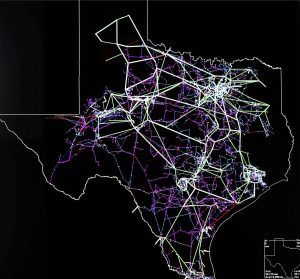
The IBRWG meeting covered the status and direction of multiple topics, including the NOGRR272 and PGRR121 items and grid-forming inverters, following ROS’s decision to table those items. A technical discussion was planned on advanced grid support inverter technologies that aim to enhance power system reliability.
ERCOT IBRWG Meeting: Key Points and Objectives
Policy Context & ROS Direction:
- Katie Rich reiterated ROS’s decision to table items related to NOGRR272 and PGRR121 pending further policy review and the filing of a new NPRR to define advanced grid support as a compensated service.
- Participants were informed that today’s technical discussions go beyond the initial ROS direction. Those choosing to move forward with these items are encouraged to do so promptly.
Focus on Technical Capabilities:
- OEM speakers were urged to concentrate on demonstrating their grid forming inverter capabilities rather than debating the associated regulatory language.
- Steve Jagier, VP of Engineering at Power Electronics, presented an in-depth comparison of grid forming versus grid following inverters, highlighting:
- Global test results that show grid forming inverters offer faster response times and improved ride-through capabilities.
- The significant modeling efforts required before a project can advance, as evidenced by examples from Australia, the UK, and the U.S.
Dynamic Model Update and Data Submission Processes:
- Updates to dynamic model templates were reviewed, including new fields for parameter verification and the ability to import full-site diary files, designed to minimize data omissions.
- Two distinct data collection paths were discussed:
- Operational Resources: Those with an approved production load date will receive DocuSign emails starting February 19, with responses due by April 1, 2025.
- Interconnection Queue Resources: Those without an approved production load date will use an attachment template in the RIOO system (available February 28) to submit the same required information.
Technical Q&A and Model Validation:
- Extensive Q&A sessions addressed issues such as:
- Model quality tests, phase angle jump criteria, and reactive power controls.
- The need for consistency between submitted models and actual equipment performance.
- Clarifications on grouping HRL (High Rational Limit) values when multiple units are aggregated.
- Participants were reminded that any modifications impacting dynamic response must follow the PGRR109 process.
Industry Updates and Future Collaboration:
- Updates included:
- Upcoming sessions on oscillation and stability.
- A spring workshop in Austin.
- Collaborative initiatives between DWG and IVRWG.
- Stakeholders were encouraged to review the posted FAQ documents on the IBRWG website and provide feedback.
- The next meeting is scheduled for April 2025.
The meeting provided a thorough technical discussion on advanced grid support capabilities and dynamic model validation, reinforcing the importance of accurate data submissions and adherence to updated operating standards. While the discussions extended beyond the initial ROS directives, they offered valuable insights into the challenges and potential improvements for grid forming technologies. Participants were encouraged to continue collaborative efforts and review additional documentation available on the IBRWG website. For further questions or input, please reach out via the designated working group channels.
Gain insights into the evolving power grid interconnection landscape directly from the transmission expansion industry experts at ZEG. Dive into this month’s comprehensive stakeholder meeting summaries to stay informed and ahead of the curve.