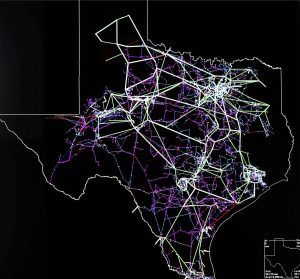
As demand for renewable energy continues to rise and the need to modernize grid infrastructure intensifies, addressing the challenges of mounting interconnection requests is more crucial than ever. The resulting backlogs are threatening grid reliability and delaying the integration of clean energy sources. To tackle these challenges, it’s essential to explore the ongoing reforms in interconnection processes and how organizations are playing a pivotal role in advancing grid modernization and supporting the integration of renewable energy.
ISO Initiatives to Streamline Interconnections
Independent System Operators (ISOs) are pivotal in managing grid operations and facilitating the integration of new energy resources. To address interconnection delays, several ISOs have introduced reforms:
PJM Interconnection: Serving parts of the eastern U.S., PJM has faced challenges with a growing backlog of interconnection requests. In response, PJM has proposed reforms to transition from a “first-come, first-served” approach to a “first-ready, first-served” model. This shift aims to expedite the processing of new service requests by prioritizing projects that are fully prepared to proceed, thereby reducing delays and enhancing grid reliability.
California Independent System Operator (CAISO): In California, CAISO has implemented reforms to streamline its interconnection process. These changes are designed to facilitate the efficient integration of renewable energy sources, aligning with the state’s ambitious clean energy goals.
For more on CAISO, explore our blog: Navigating CAISO’s Renewable Energy Integration with ZEG.
New York Independent System Operator (NYISO): NYISO has introduced a cluster study approach for interconnection requests, aiming to process applications more efficiently. This method groups similar projects together for assessment, reducing individual study costs and timelines, and promoting a more transparent and predictable interconnection process.
ZEG’s Commitment to Modernizing Grid Infrastructure
As a team of experts dedicated to decarbonizing the power grid, ZEG collaborates closely with stakeholders to navigate the complexities of grid interconnection. By leveraging advanced analytics and strategic planning, ZEG aids in identifying optimal solutions for integrating renewable energy sources, ensuring that infrastructure developments align with long-term sustainability objectives.
Interconnection Reforms: The Path Forward
The challenges facing grid interconnection are substantial, but ongoing reforms and strategic collaborations offer a pathway to a more resilient and sustainable energy future. By aligning interconnection processes with long-term transmission planning and embracing innovative technologies, the industry can better accommodate the growing demand for renewable energy while maintaining grid reliability and efficiency.
For more insights on energy infrastructure, grid modernization, and renewable energy, stay tuned to Zero Emission Grid’s updates on industry trends. Explore how Zero Emission Grid supports energy transition projects.