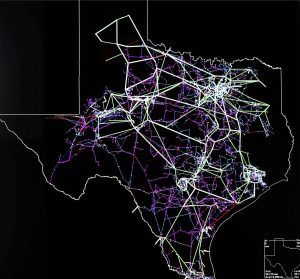
The imperative to address climate change is driving a rapid transformation of the power sector. Large-load power users such as AI and Bitcoin miners, facing increasing pressure from stakeholders and regulations, are actively seeking decarbonization strategies. This article explores various approaches and how Zero-Emission Grid (ZEG) can be a valuable partner in this journey.
The Decarbonization Landscape
The regulatory landscape is complex and evolving. Organizations like the North American Electric Reliability Corporation (NERC) set reliability standards for the bulk power system, while the Federal Energy Regulatory Commission (FERC) oversees interstate electricity markets and transmission. Decarbonization efforts must navigate these regulations.
Furthermore, the US electricity market is divided into various regions with distinct pricing structures and grid operators. This means that decarbonization strategies must be tailored to the specific market dynamics of each region. ZEG has extensive experience in all markets and regions, ensuring that strategies are customized to meet the unique requirements of each area. To navigate the complex regulatory landscape and diverse power market areas, large-load power users must adopt a multifaceted approach to decarbonization, including:
- Renewable Energy Procurement: Large power users can directly contract with renewable energy developers for long-term power supply through Power Purchase Agreements (PPAs). Alternatively, Virtual Power Purchase Agreements (VPPAs) allow participation in the benefits of renewable energy without owning or physically connecting to a specific project. Renewable Energy Certificates (RECs) represent the environmental attributes of renewable energy generation and can be purchased to offset a company’s carbon footprint.
- Energy Efficiency Measures: Implementing energy-saving technologies and processes can significantly reduce overall electricity consumption. Participating in demand-side management programs offered by utilities can provide financial incentives for reducing peak demand.
- Distributed Generation: On-site renewable energy installations, such as solar panels, can provide clean power and reduce reliance on the grid. Combined heat and power (CHP) systems generate both electricity and heat, improving overall energy efficiency.
- Investing in Grid Modernization: Supporting advancements in smart grid technologies, like advanced metering infrastructure (AMI), can optimize grid operations and facilitate the integration of renewable energy.
Optimizing Grid Operations
While focusing on renewable energy, energy efficiency, and distributed generation is crucial for decarbonization, optimizing grid operations is equally important. Ancillary services are the essential support systems that keep the power grid operating smoothly. They ensure grid stability, balance supply and demand, and prevent blackouts. These services are procured to address the inherent variability in electricity generation and consumption and include:
- Frequency Regulation: Maintaining the grid’s electrical frequency within a narrow range of 59.94 to 60.06 Hertz.
- Voltage Control: Regulating voltage levels to ensure the safe and efficient operation of electrical equipment.
- Reactive Power Support: Balancing reactive power, which is necessary for efficient power transmission and distribution.
- Spinning Reserves: Generation capacity that is online and ready to increase output within seconds to respond to sudden changes in demand.
- Non-Spin Reserves: Generation capacity that can be brought online within minutes to address larger imbalances.
- Black Start Capability: The ability to restart the power system after a complete blackout.
The specific types and procurement mechanisms of ancillary services can vary across different power markets in the US. For example, the Electric Reliability Council of Texas (ERCOT) has its own set of ancillary services and market rules. Other regions, such as the PJM Interconnection, California ISO, and NYISO, have their own unique approaches.
Understanding the nuances of ancillary services in your specific market is crucial for large-load power users. By understanding the requirements and potential revenue opportunities associated with these services, companies can optimize their grid participation and contribute to overall system reliability.
Partnering with ZEG
ZEG is dedicated to helping large-load power users navigate the complex landscape of decarbonization and grid optimization. Our services are tailored to meet each client’s unique needs; whether you’re an AI or Bitcoin miner, a data center operator, or any large-load power user, partnering with ZEG gives you access to a team of experts committed to helping you achieve your goals by combining market expertise and regulatory knowledge.