The Clean Energy Bottleneck
The U.S. renewable sector is booming, with record levels of utility-scale solar, wind, and storage announced each year. Yet despite this pipeline, a staggering reality looms: over 2,000 GW of projects are stuck in interconnection queues across ISOs and RTOs. Delays stretch from three to seven years in some markets, threatening not only developers’ balance sheets but also national decarbonization goals.
While policy momentum is strong- with FERC’s Order 2023 mandating queue reform, the fundamental barriers remain. Developers of all sizes, from utility-scale solar and wind to battery energy storage systems (BESS) and large-load interconnections (like data centers), are facing systemic delays.
Why the Backlog Exists
1. Volume vs. Process Capacity
The interconnection system was designed for a smaller number of conventional projects. The “first-come, first-served” model cannot accommodate today’s scale of renewables and hybrid projects. Study teams within ISOs and utilities are overwhelmed, leading to multi-year study delays.
2. Transmission Capacity Shortage
Even when studies are completed, projects often face prohibitive network upgrade costs. Developers in regions like PJM, MISO, and SPP are finding upgrades in the hundreds of millions of dollars, making many projects financially unviable.
3. Policy and Regulatory Lag
Reforms such as cluster studies and readiness screens are underway, but uneven adoption across regions creates a patchwork system. While CAISO and PJM are progressing toward prioritization and annual intake cycles, others lag behind, perpetuating inefficiency.
How This Impacts Different Developer Types
- Utility-Scale Solar Developers: Solar dominates interconnection queues, with many projects clustered around high-resource areas. Transmission congestion and upgrade costs are pushing developers to rethink siting strategies.
- Wind Developers: Long development timelines compound with queue delays. Wind-heavy regions like SPP and MISO face severe bottlenecks, with backbone transmission often years away from construction.
- Battery Energy Storage (Standalone & Hybrid): Storage developers face unique challenges, projects that adjust MW capacity or duration risk triggering re-studies. While storage can ease congestion, the queue treats it like generation, slowing deployment.
- Large-Load Interconnections (Data Centers, Hydrogen, Industrial): These projects are increasingly competing with renewables for scarce interconnection capacity. ISOs are now debating whether to treat large loads with similar readiness criteria, creating uncertainty.
- Merchant Developers / Smaller IPPs: For smaller players, the financial burden of prolonged studies and uncertain upgrade costs is especially difficult. Many projects drop out after years in the queue, creating inefficiency.
The Scale of the Problem
- PJM: Transition queue reforms in 2022–23 have begun to clear backlog, but more than 60 GW remain under study for 2026.
- MISO: Over 170 GW of solar, wind, and storage are awaiting interconnection, with many projects facing delays of 4+ years.
- SPP: The DISIS process still leaves developers with uncertainty on upgrade allocation.
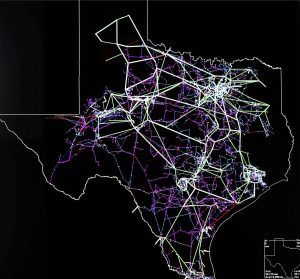
- ERCOT: While not under FERC jurisdiction, ERCOT’s interconnection surge has led to its own form of bottlenecks, with nearly 100 GW of renewables and storage queued.
In every region, the backlog represents projects that may never materialize, “phantom megawatts” that distort capacity planning and frustrate developers.
Emerging Solutions
1. Cluster Studies
Most ISOs are moving from individual studies to “cluster studies,” grouping projects together to share analysis and costs. This accelerates timelines but can create cost-allocation disputes.
2. Readiness Screens
Stricter requirements for site control, permitting, and financing help weed out speculative projects. This improves queue quality but raises barriers for smaller IPPs.
3. Transmission Planning Alignment
The long-term solution is expanded transmission. Initiatives like MISO’s Long-Range Transmission Planning (LRTP) and SPP’s highway/portfolio projects are designed to unlock new capacity — but these are multi-year efforts.
4. Technology-Driven Transparency
Queue intelligence tools, scenario analysis software, and nodal market forecasting give developers better visibility into congestion and siting tradeoffs. These tools can help avoid “dead zones” and identify faster-to-power pathways.
Developer Playbook: How to Navigate the Queue
- For Solar and Wind Developers: Diversify siting into zones with available headroom and engage in ISO stakeholder planning to anticipate upgrade signals.
- For Storage Developers: Lock in project specs early to avoid triggering re-studies. Explore stand-alone interconnections as an entry strategy.
- For Large-Load Projects (Data Centers, Hydrogen): Coordinate with ISOs early. Large-load demand is increasingly shaping transmission planning, and being ahead in these discussions is critical.
- For Merchant and Smaller IPPs: Partner with larger developers or utilities to share upgrade costs. Alternatively, pursue projects in less congested regions with smaller but more achievable interconnections.
ZEG’s Perspective
At ZEG, we view the interconnection backlog as the single greatest challenge facing the clean energy transition. Queue reform is essential, but transmission expansion is the only long-term fix. In the meantime, developers must get smarter, not just about where they site projects, but how they model risk and engage with the queue process.
We believe the winners will be those who adopt data-driven siting, embrace portfolio diversification, and leverage tools like REST® to gain early intelligence on congestion and curtailment.
The Path Forward
Interconnection queues remain the number-one barrier to renewable deployment. While reforms are underway, the scale of the backlog demands creativity and resilience from developers. Whether you’re building a solar farm in PJM, a wind project in MISO, or a battery hub in ERCOT, the rules of the game are shifting.
The clean energy transition won’t be slowed by lack of technology or demand, but it can be derailed by gridlock. Navigating interconnection queues is no longer just a regulatory hurdle. It’s a strategic capability, and those who master it will lead the market.