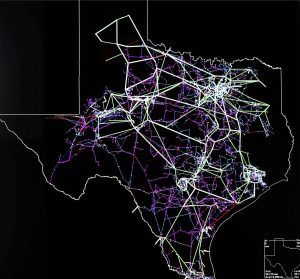
The ERCOT Large Load Working Group (LLWG) convened November 20 to review late-2025 large-load activity, assess queue transparency needs, and refine large-load reporting structures essential for managing unprecedented data center, industrial, crypto, and hydrogen-related load growth. As large-load adoption accelerates, LLWG has become the central forum for coordinating ERCOT, TSPs, and developers to understand interconnection timelines, modeling requirements, study expectations, and reliability implications. The November meeting covered procedural improvements, large-load reporting updates, and cross-group alignment with PLWG, TAC, and RPG.
Large-Load Reporting & Status Updates
ERCOT opened with updated large-load reporting metrics, highlighting:
- New LL Submissions: Continued surge of LL applications across North, Houston, and Central zones, with notable cluster activity in the Austin and Dallas load pockets.
- Load Characteristics: Increasing prevalence of campuses with multi-phase development plans (50–300 MW per phase), requiring more precise staging assessments in studies.
- Modeling Complexity: Facilities integrating UPS systems, HVDC converters, and fast-acting controls continue to challenge interconnection studies; ERCOT noted improved but still inconsistent modeling packages from several developers.
ERCOT reiterated upcoming deadlines for GINR data submissions and explained how these timelines align with both Planning and Operations needs.
LL Process Improvements & Workflow Clarifications
LLWG reviewed several procedural refinements designed to improve transparency and reduce study delays:
1. Updated Screening & Study Process
ERCOT presented clarifications to the workflow for:
- Large-load screening criteria
- Required data submissions at each study stage
- Supplemental studies needed when loads evolve or expand before energization
Stakeholders emphasized the importance of early, accurate load information — including adjusted power factors, load profiles, and contingency behavior — to avoid rework.
2. Interactions With GINR & Interconnection Queue
Because many large-load campuses co-locate with generation and storage, ERCOT walked through examples of:
- Queue interdependencies
- How LL studies interact with GINR/SGIA milestones
- When TSPs must coordinate information to avoid conflicting model inputs
Developers requested improved visibility into queue position changes, particularly when delays in generation studies affect LL timelines.
3. Consistency in Study Deliverables
ERCOT discussed formats for:
- Short-circuit models
- Power-flow models
- Dynamic-model documentation
- Planning/Operations handoffs
PLWG representatives noted that LL modeling must align with ongoing reliability and system-strength studies, especially with IBR-dense zones expanding quickly.
Transmission Impacts & Reliability Considerations
LLWG evaluated several load-driven impacts on system performance:
- Voltage Regulation Needs: Many campuses require upstream capacitor banks, SVCs, or other reactive support; ERCOT discussed screening thresholds and when supplemental planning studies are triggered.
- Thermal Upgrades: Updates on several 138-kV and 345-kV corridors experiencing overloads under LL contingency scenarios.
- System Strength & IBR Interactions: ERCOT highlighted concerns that LL campuses with embedded UPS/HVDC may behave like inverter-based resources under certain disturbances, requiring enhanced modeling fidelity.
Members discussed how these conditions affect RTPDP constraints and which projects may ultimately be elevated to RPG consideration as Tier-1 or Tier-2 reinforcements.
Coordination With TAC, PLWG & RPG
ERCOT reviewed cross-team dependencies, including:
- PLWG’s transmission-plan work that depends on accurate LL forecasting. Read our PLWG summary here.
- RPG’s need for up-to-date load scenarios when evaluating major reliability projects
- TAC’s oversight of market-rule changes affecting reporting requirements
Stakeholders reiterated that real-time, accurate load information is essential to maintain planning integrity, credit assessments, and operational situational awareness.
Upcoming Deadlines & Next Steps
ERCOT outlined required developer and TSP actions:
- Updated load-model submissions for late-2025 queue reviews
- Additional documentation for multi-phase campuses
- Clarified expectations for Planning Guide compliance
- ERCOT-led workshops scheduled for early 2026 to improve LL modeling practices
- LLWG will meet again in December to finalize late-year reporting and prepare for 2026 reliability-driven study cycles.
ZEG helps large-load customers, developers, and utilities navigate ERCOT’s LL processes — from early screening to model preparation, supplemental studies, and interconnection strategy. Our team ensures your data, models, and study packages meet ERCOT’s evolving requirements while reducing costly delays. Whether you’re planning a 50-MW load or a 300-MW multi-phase campus, we deliver clarity, compliance, and accelerated study readiness.
Connect with us to turn LLWG updates into a clear interconnection and modeling roadmap for your project.
To access more information about ERCOT, explore meeting materials here.